
Over the past three years, the Women Creating Wealth (WCW) programme has supported nearly 5,000 women entrepreneurs across six African countries. Together, they have contributed to the creation of over 30,000 jobs, including more than 5,000 new roles in the past three months alone. These businesses span agriculture, logistics, services, and manufacturing, forming a vital part of Africa’s economic backbone.

“We’re seeing how targeted support—skills, coaching, and market access—can shift businesses from surviving to scaling,” says Korkor Cudjoe, Senior Entrepreneurship Manager at the Graça Machel Trust. “Each time a woman secures a contract or hires staff, it strengthens the fabric of her local economy.”
Practical tools that strengthen business growth
WCW’s approach combines practical skills training, strategic coaching, and access to markets and finance. In Tanzania, entrepreneurs participated in targeted sessions on export processes, freight costing, and value-chain financing—leading to sharper pricing decisions and a 20% rise in successful bids.
One participant reflected:
“Before the training, I wasn’t confident negotiating cross-border deals or approaching banks. But working step-by-step with our coach, I learned to prepare, practice, and present well. Within six months, I’d expanded into Kenya and Uganda, and doubled my client base.”
This blend of technical support and mentorship builds the confidence and capability women need to structure for growth and pursue new opportunities.
From local supply chains to formal markets
In Zambia, Josmafu Poultry Farm secured a contract to supply Choppies Supermarkets with 5,000 birds monthly. With WCW’s technical guidance—ranging from upgrading hatchery systems to passing food-safety audits—the business was able to meet the retailer’s strict requirements. The result: an expected 50% revenue increase and the addition of 12 full-time and 40 part-time youth jobs.
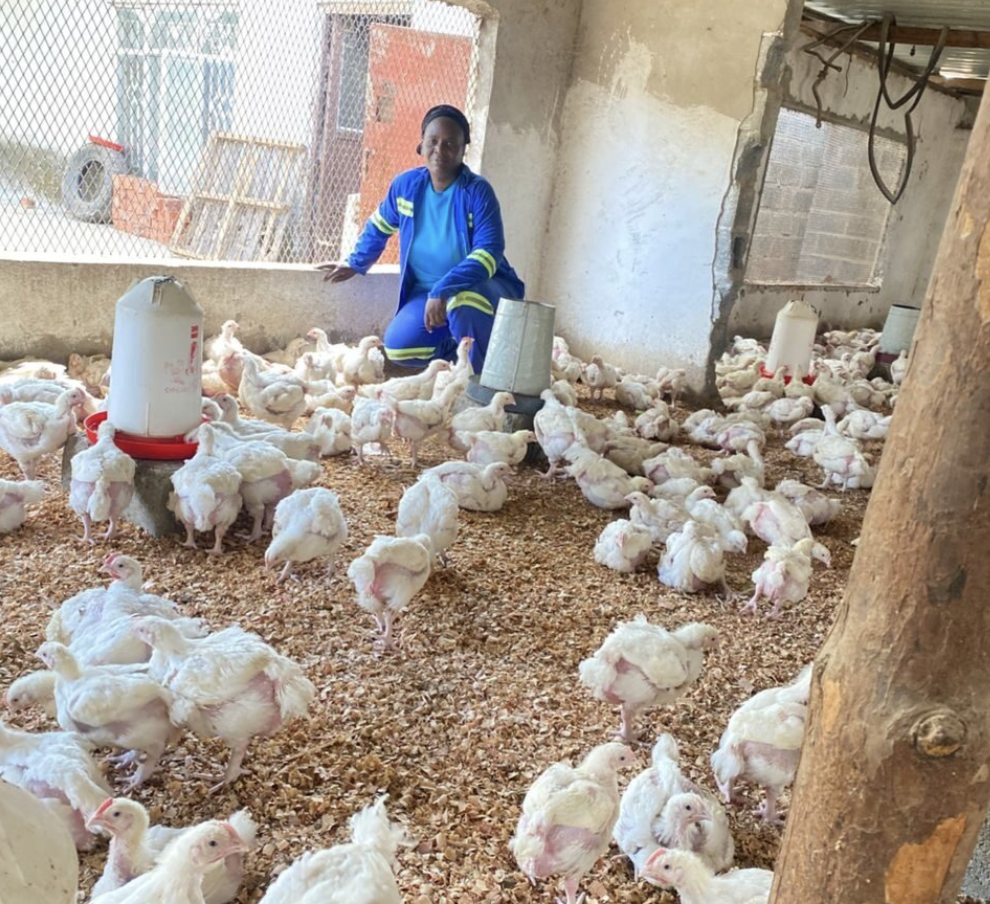
“We weren’t just introduced to buyers—we were supported through every step to meet their standards. That gave us the edge.”
By connecting women-led enterprises to formal markets and helping them meet procurement thresholds, WCW drives tangible business expansion and local employment.
Financing growth, expanding impact
In Mbeya, Tanzania, Sebadom Enterprise joined WCW to sharpen its financial planning and market strategy. Through coaching and technical assistance, the founder secured US$70,000 in blended finance—a combination of grant and loan—to scale production and diversify offerings.
The investment enabled:
– A 40% boost in yoghurt production capacity
– Launch of new products like probiotic yoghurt, artisanal cheese, and sour milk
– Growth from 12 to 17 permanent staff, and seasonal workers from 150 to 270
Over 60% of new hires are women and youth, reinforcing WCW’s mission to promote enterprise-led job creation.
“This wasn’t just about funding—it was about becoming prepared to grow. Now I can speak to investors with confidence, plan ahead, and support more families through decent work.”
Policy shifts that open doors
WCW’s impact extends beyond the business level. In partnership with national women’s networks, the programme advocates for reforms that dismantle systemic barriers for women entrepreneurs.
In Zambia, WCW and ZFAWIB promoted awareness of the Movable Assets Collateral Registry (MCR), which allows entrepreneurs to use assets like livestock and equipment as loan collateral. Within six weeks of outreach—including radio, roadshows, and community forums—120 women registered on the platform, and local banks reported a 30% increase in lending to women.
In Malawi, WCW’s host partner, COMFWB, contributed to the country’s 2025–2030 National Action Plan on Women’s Economic Empowerment, influencing the decision to raise the Women’s Enterprise Fund ceiling from MK 5 million to MK 20 million. This quadrupling expands access to non-collateral finance for women-owned businesses, with an MoU now in progress with the Ministry of Finance.
“For the first time, I can apply for a loan that matches the scale of my business,” shared a Lilongwe entrepreneur. “This opens the door to real growth—and more employment.”
These reforms reflect the Graça Machel Trust’s dual approach to entrepreneurship—equipping women with the tools to grow, while shaping the policy and financial systems to work better for them.
Looking ahead: Why this work matters
The WCW programme continues to demonstrate how women’s entrepreneurship can be a lever for long-term economic and social change. It is not only about building individual businesses, but also about shifting norms, institutions, and ecosystems to create space for women to lead and thrive.
“Every success story gives us hope—and deepens our understanding of what works,” says Korkor Cudjoe. “Entrepreneurship is a journey of learning, and through it, we are changing the narrative of African women’s contribution to economic and social advancement.”